Property Damage Law
Denied or delayed?
We’ll Make Them Pay.
You’ve suffered enough, don’t let your insurance company add to the damage.
Storms, hurricanes, and other disasters can devastate your home and seriously disrupt your life. Nothing makes it more frustrating than an insurance company who denies or underpays your claim. We don’t let insurers get away with shortchanging our clients.
How to File a Property Damage Claim in Florida.
Florida requires careful steps to maximize your compensation:

Document Everything:
Take detailed photos and videos of all damage. Create an inventory of damaged or lost items, including receipts if possible.

Notify Your Insurance Company Immediately
Most policies require prompt reporting. Provide accurate and detailed information about the incident.

Mitigate Further Damage
Make temporary repairs, such as covering broken windows or tarping a damaged roof, to prevent additional damage. Keep receipts for expenses—they may be reimbursable.

Work with the Insurance Adjuster
Your insurance company will likely send an adjuster to assess damages. Be present during inspections, provide documentation, and don’t accept a settlement until you’re confident it covers all your losses.

Review Your Policy Thoroughly
Understanding your coverage limits, deductibles, and exclusions is crucial. Florida insurance laws can be complex, especially after hurricanes or widespread storm damage.
What you need to know:
Why You Should Consult a Florida Property Damage Attorney
Insurance companies often aim to minimize payouts. A Florida property damage attorney can help you:
- Interpret your insurance policy and identify coverage gaps.
- Negotiate with your insurer for a fair settlement.
- Document damages and gather evidence to strengthen your claim.
- Ensure you receive compensation for structural repairs, lost property, temporary housing, and other covered losses.
Types of Property Damage
Whether it’s your home or business, insurance should protect you. Common claims include:
- Hurricane & tornado damage
- Roof & tile damage
- Water damage & flooding
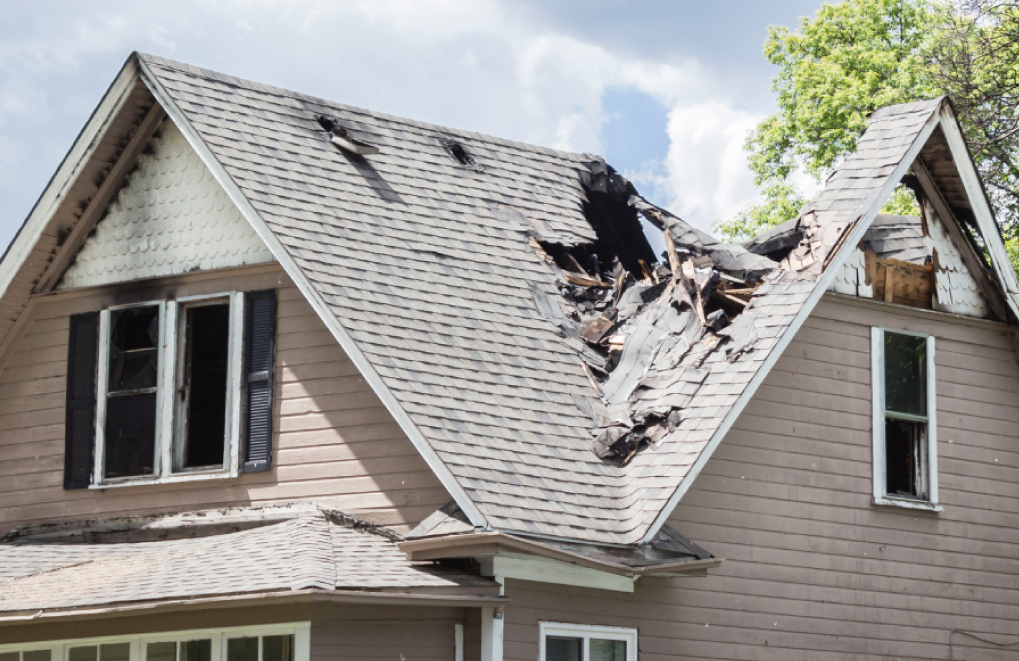
- Fire and smoke damage
- Pipe bursts & mold issues
- Lightning strikes
- Theft & vandalism
- Business loss & interruption